Why Evidence Preservation Letters Matter After a Semi-Truck Crash in Albuquerque
Key Takeaways: After an Albuquerque truck wreck, a preservation letter should generally go to every person or entity that may hold evidence, including the motor carrier, driver, insurers, freight brokers, shippers, tow yards, repair shops and public agencies. Electronic logs, engine data, dashcam footage and dispatch records can be overwritten within weeks, long before New Mexico’s general three-year personal injury deadline under NMSA 1978, Section 37-1-8. New Mexico recognizes intentional spoliation of evidence as an independent tort, and courts can also sanction a party that loses or destroys evidence. If a government entity may share fault, the Tort Claims Act generally requires separate written notice within 90 days for injury claims or 6 months for wrongful death claims, and a preservation letter does not take the place of that notice.
After an Albuquerque truck wreck, a preservation letter should generally go to every person or entity that may hold evidence about the crash. That usually means the motor carrier, the driver, the insurer, any freight broker or shipper, the tow yard storing the truck, and any public agency that holds crash records. Much of this evidence is electronic. Engine data, electronic logs, dashcam footage and dispatch messages may be overwritten within weeks or months unless someone formally asks that they be kept. A well-targeted preservation letter, often called a spoliation letter, puts each recipient on notice that the evidence matters and that destroying it could have legal consequences.
If you or someone you love was hurt in a crash with a commercial truck, Smith & Marjanovic Law can help you find out who may be holding critical evidence and move quickly to protect it. Call (505) 510-4440 or contact us now to talk about your situation.
What a Truck Accident Spoliation Letter in New Mexico Is Meant to Do
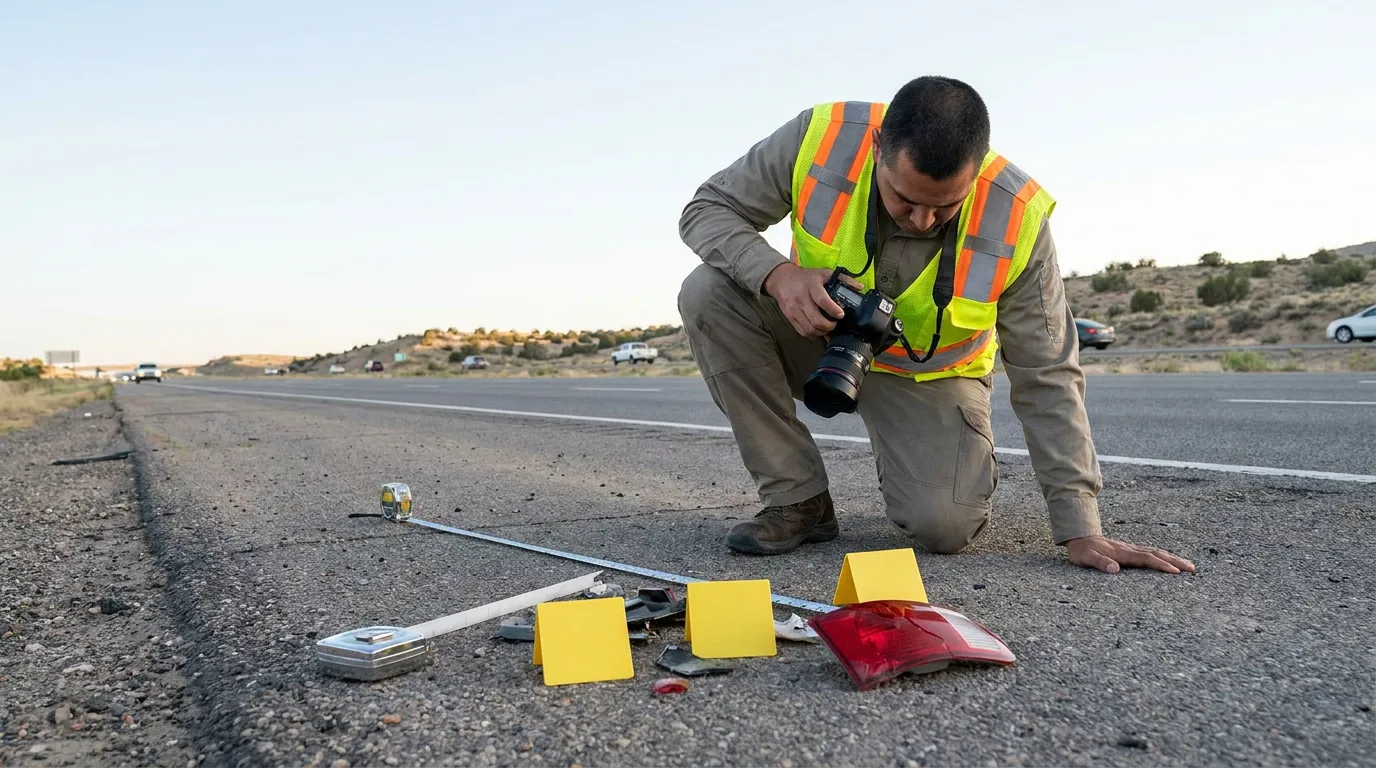
A truck accident spoliation letter in New Mexico is a written demand asking a party to keep specific evidence connected to a crash. It does not start a lawsuit or extend any statutory deadline. It identifies the evidence in detail and warns the recipient that losing or destroying it could have serious consequences in later litigation.
New Mexico takes the destruction of evidence seriously. New Mexico courts recognize intentional spoliation of evidence as an independent tort, which generally requires showing that the party knew a lawsuit was likely and destroyed evidence to disrupt it. New Mexico has generally not treated negligent spoliation as a separate stand-alone tort among private parties. However, NMSA 1978, Section 41-4-12 refers to both negligent and intentional spoliation in waiving Tort Claims Act immunity for certain claims against law enforcement officers acting within the scope of their duties. Courts can also impose sanctions, such as an adverse-inference instruction, when a party loses or destroys relevant evidence. Whether any remedy is available depends on the facts.
Early letters matter because the clock on the evidence can run faster than the clock on the lawsuit. Under NMSA 1978, Section 37-1-8, a lawsuit for injury to a person generally must be filed within three years, subject to limited exceptions. Federal rules allow motor carriers to discard some records, such as hours-of-service records, after six months, and electronic data and video can be overwritten even sooner. For more detail, see our guide on how to request a spoliation letter after a crash in New Mexico.
The Core Spoliation Letter Recipients in a Truck Case
Most semi-truck cases involve several possible defendants, and each may control different evidence. Identifying all recipients early helps keep important records from falling through the cracks.
The Motor Carrier
The trucking company is usually the main recipient of a preservation letter. New Mexico’s Motor Carrier Act, NMSA 1978, Section 65-2A-3, defines a "motor carrier" broadly to cover any person who offers or provides transportation of persons, property or household goods for hire by motor vehicle. That can reach both large interstate fleets and smaller local operators.
The letter should describe the records it covers in broad terms. Section 65-2A-3 defines a "record of a motor carrier" to include correspondence, memos, tapes, discs, papers and electronic data, along with the hardware or software needed to read that data. Following this language helps make clear that the letter covers digital files as well as paper. Records commonly requested include:
- Electronic logging device data and hours-of-service records
- Engine control module and "black box" data
- Dashcam and forward-facing camera footage
- Maintenance, inspection and repair records
- Driver qualification files, drug and alcohol test results and training records
- Dispatch communications, GPS data and cell phone records
💡 Pro Tip: Ask the carrier to preserve the tools needed to read the data, such as software or hardware. Raw files may be of little use if no one can open them.
The Driver
The truck driver should generally receive a separate letter. Drivers may have personal phones, paper logbooks, receipts and messages that never reach the company’s systems.
Insurers
The carrier’s insurer often holds early statements, photographs and claim notes. New Mexico’s insurance regulations under Title 13 of the New Mexico Administrative Code place recordkeeping and claims-handling obligations on insurers, including rules such as 13.7.3 NMAC on maintenance of complaint records, implementing the Unfair Claims Practices Act at NMSA 1978, Section 59A-16-20. Those regulatory duties are separate from any duty to preserve evidence for litigation, so insurers should get their own letter.
Parties People Often Overlook
Some of the most useful evidence sits with businesses that may not seem involved at first. Leaving them out can mean losing records that explain why the crash happened.
The Freight Broker and Shipper
A freight broker may hold load tenders, rate confirmations, carrier selection records and messages about delivery deadlines. These documents may show whether pressure to deliver quickly played a part, or whether the broker hired a carrier with a poor safety record. Whether a broker can be held liable depends on the facts and on developing law. Shippers and cargo loaders may have bills of lading, weight tickets and loading records that matter if shifting or overweight cargo contributed to the wreck.
The Tow Yard and Repair Shops
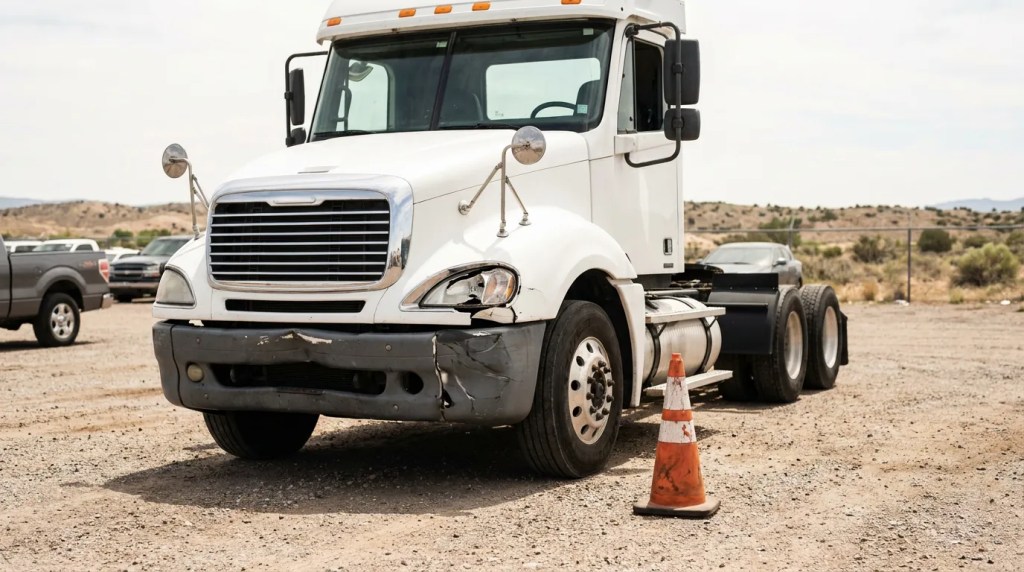
The truck itself is evidence, and it often ends up at a tow yard soon after the crash. Storage facilities may sell, salvage or release vehicles after a certain period, and repairs can erase evidence of mechanical failure. A letter to the tow yard can ask that the tractor, trailer and components stay unaltered until an inspection can be arranged. Outside maintenance shops may also hold work orders and parts records.
💡 Pro Tip: Ask that the truck not be repaired, moved for salvage or started without notice. Even turning on the ignition may affect stored engine data in some vehicles.
Public Agencies and Nearby Businesses
Police departments, state agencies and nearby businesses may hold crash reports, 911 recordings and surveillance video. Traffic cameras and business security systems often record over footage quickly. Section 41-4-12 waives immunity for spoliation claims against law enforcement officers only in limited circumstances, and those claims are subject to the Tort Claims Act’s notice and filing deadlines.
Government Deadlines Work Differently Than Preservation Letters
When a government entity may share fault, separate and shorter deadlines may apply. A preservation letter sent to a public agency is not a substitute for statutory notice.
| Claim Type | Deadline | Authority |
|---|---|---|
| Personal injury against a private carrier or driver | 3 years (limited exceptions) | NMSA 1978, § 37-1-8 |
| Wrongful death | 3 years from accrual (generally the date of death) | NMSA 1978, § 41-2-2 |
| Tort Claims Act written notice (injury) | 90 days after the occurrence | NMSA 1978, § 41-4-16 |
| Tort Claims Act written notice (wrongful death) | 6 months after the occurrence | NMSA 1978, § 41-4-16 |
| Tort Claims Act lawsuit | 2 years after the occurrence | NMSA 1978, § 41-4-15(A) |
Under NMSA 1978, Section 41-4-16(A), the written notice must state the time, place and circumstances of the loss or injury. Claims against the state go to the risk management division, claims against a city to the mayor, and claims against a county to the county clerk. Claims against other local public bodies go to their administrative head. If the government entity had actual notice of the occurrence, formal notice may not be required, but courts read that exception narrowly, so do not rely on it. The notice requirement is separate from the lawsuit, which must still meet the two-year limit in NMSA 1978, Section 41-4-15(A).
Why Speed Matters on New Mexico Roads
Large trucks travel the Interstate 40 and Interstate 25 corridors that meet in Albuquerque every day, and serious crashes happen. The FMCSA’s large truck fatal crash data tracks fatal crashes involving large trucks by state, including New Mexico, from 2010 through 2020.
In practice, families often find out about missing evidence only after it is gone. A carrier may follow its normal retention schedule, or a tow yard may dispose of a vehicle, before anyone has asked them not to. An experienced Albuquerque truck accident attorney may be able to identify every party holding evidence and send targeted letters within days of the crash.
💡 Pro Tip: Keep every piece of paper you get after the crash, including tow receipts and insurer letters. They often name parties who should receive a preservation letter.
Frequently Asked Questions
1. Is a preservation letter legally required before I can sue?
No. New Mexico law does not require one before you file a lawsuit. However, a letter can strengthen a later argument that a party knew litigation was likely and that the evidence mattered.
2. Should a freight broker get a preservation letter?
In many cases, yes. A freight broker may hold records about carrier selection and delivery schedules that may be relevant to liability.
3. Does a letter to a police department satisfy the Tort Claims Act notice?
Generally, no. Under NMSA 1978, Section 41-4-16, a separate written notice must go to the proper government office within the statutory deadline.
4. What if the truck is already at a tow yard?
Send a preservation letter to the tow yard and the truck’s owner as soon as possible, asking that the vehicle stay unaltered. Whether the evidence can still be saved depends on the facts.
5. How long do I have to file a wrongful death claim?
Under NMSA 1978, Section 41-2-2, a wrongful death action generally must be filed within three years after the cause of action accrues, usually the date of death. If a government entity is involved, the Tort Claims Act’s six-month notice and two-year filing deadlines generally apply.
Protecting the Evidence That Tells Your Story
A strong truck case often depends on evidence that only the defendants and third parties control. Preservation letters to the motor carrier, driver, insurers, freight broker, shipper, tow yard and public agencies can help keep that evidence intact. Government claims add separate notice requirements and shorter deadlines, and each case turns on its own facts.
If a semi-truck crash has changed your life, Smith & Marjanovic Law can help you take action before key evidence disappears. Call (505) 510-4440 or schedule your consultation today.
Disclaimer: This content is for informational purposes only and is not legal advice. Every case is unique, and results may vary. Consult an attorney about your specific circumstances.