Resolving an Injury Claim Without a Trial in Albuquerque
Key Takeaways: Settlement facilitation is a court-connected form of alternative dispute resolution in which a neutral facilitator helps an injured person, the defense, and the insurance carrier negotiate a voluntary resolution before trial. Unlike an arbitrator, the facilitator generally cannot decide the case, award damages, or force anyone to accept an offer, so your right to a jury trial generally remains intact. The process is grounded primarily in New Mexico court rules and district court programs rather than a single statute, with confidentiality protections that encourage candid discussion. Facilitators are often retired judges or experienced civil litigators who move between separate rooms, test each side’s assumptions, and search for a realistic settlement range. Preparation often matters most: stabilized medical treatment, strong liability and damages evidence, and resolved liens may do more to influence outcomes than anything said on the day of the session. Deadlines such as the personal injury statute of limitations and Tort Claims Act notice requirements generally keep running during negotiations, so timing questions deserve individualized legal review.
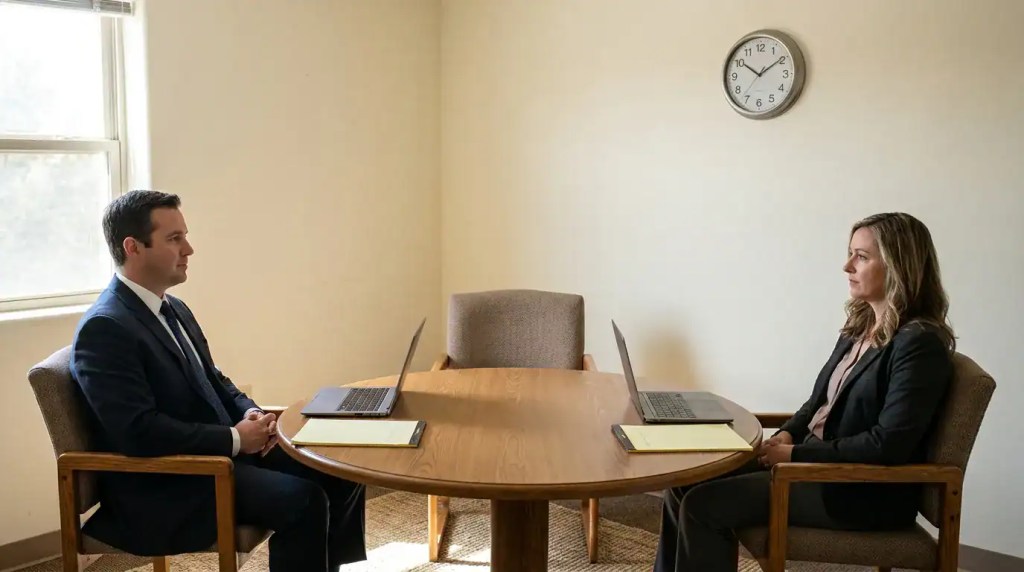
Settlement facilitation is a court-connected form of alternative dispute resolution in which a neutral third party, called a settlement facilitator, meets with the injured person, the defense, and the insurance carrier to help negotiate a voluntary resolution before trial. New Mexico district courts list it among their official programs. The facilitator does not decide who wins and generally cannot force anyone to accept a number, unlike binding arbitration, where a neutral renders a decision that generally binds the parties, subject to limited grounds for court review.
If you were hurt in a crash or a fall and your case is heading toward a facilitated settlement conference, the team at Smith & Marjanovic Law can explain what to expect and how to prepare. Call (505) 510-4440 or schedule a consultation now to talk through your options.
The Legal Framework Behind Settlement Facilitation New Mexico Courts Apply
New Mexico’s facilitation process rests mainly on the Rules of Civil Procedure and local district court practice rather than a single statute. Rule 1-016 NMRA and individual district court rules generally allow a court to order parties to participate in a settlement conference before trial, and address how facilitators are selected and sessions conducted. Confidentiality of mediation-style communications is addressed by the Mediation Procedures Act, NMSA 1978, §§ 44-7B-1 to -6. Because sources of authority differ, an attorney should confirm which rules and statutes actually govern your case.
These procedural details may matter more than most injured people expect. Confidentiality provisions generally limit what can be said inside a facilitation and later repeated in front of a jury, which is part of why parties often speak more candidly there than in a deposition. Because governing rules have changed over time, contain exceptions, and vary by district, the precise protections may depend on the district, the assigned judge, and the terms of any facilitation agreement or order.
Court websites confirm that facilitation is a court-sanctioned program, not a private invention of insurance defense firms. The Third Judicial District Court lists a settlement facilitation program among its services, and other districts describe individual facilitation sessions on their administrative pages, signaling judicial encouragement of pre-trial resolution.
Who Serves as the Neutral and What the Settlement Facilitator Role Involves
Facilitators in New Mexico injury cases are frequently retired judges or attorneys with substantial civil litigation experience. The settlement facilitator role generally centers on shuttling between rooms, testing each side’s assumptions, and identifying a range where a deal becomes realistic. A skilled neutral may press the defense on exposure and the plaintiff on proof problems, because a one-sided session rarely produces an agreement.
What the Facilitator Cannot Do
A facilitator generally has no authority to enter judgment, award damages, or decide contested facts. If the parties do not agree, the case generally continues on the court’s litigation track toward trial. That limitation means you retain your right to a jury while still exploring a resolution. A settlement you do accept, however, is ordinarily binding once its requirements are met, so terms should be reviewed carefully before signing.
How a Session Typically Unfolds
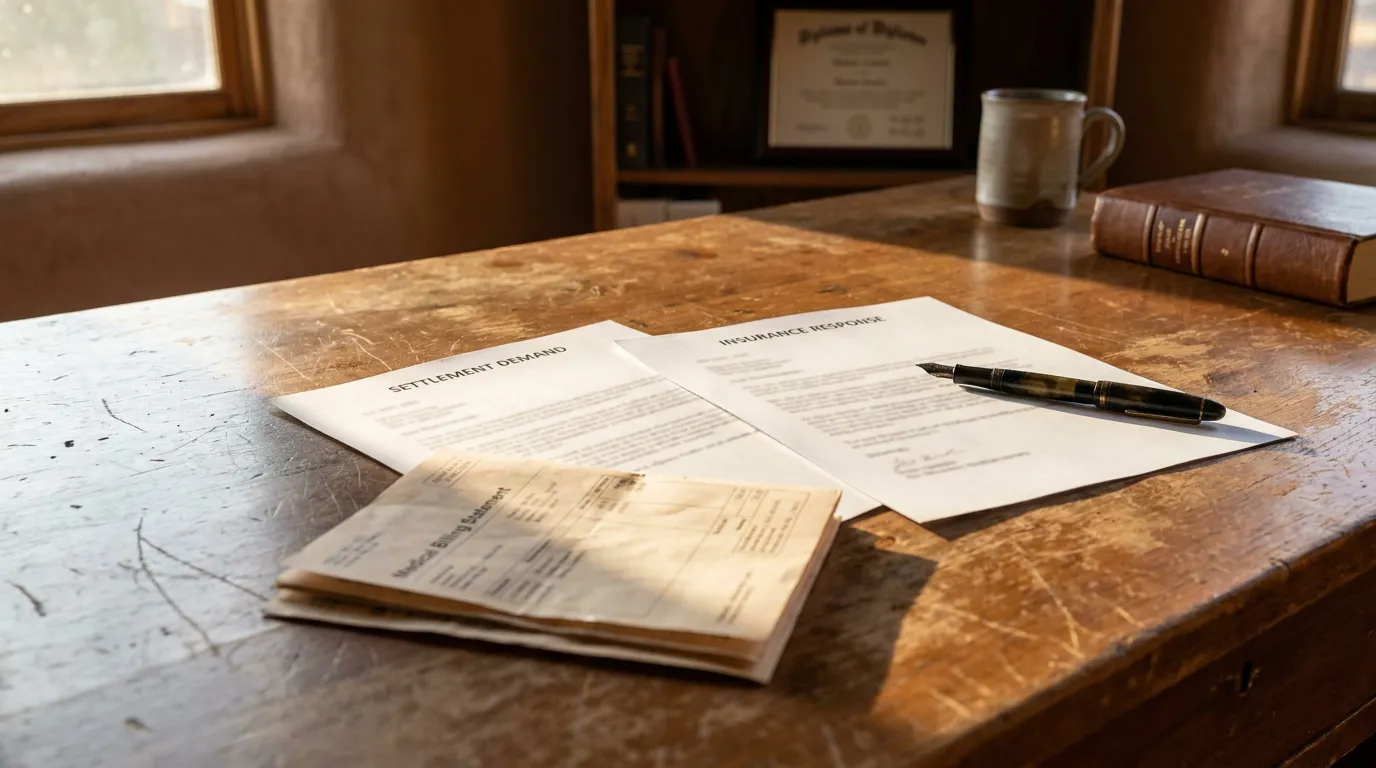
Most sessions begin with the parties in separate rooms and the facilitator moving between them. Your attorney generally presents a summary of liability and damages, supported by medical records, billing statements, wage documentation, and any accident reconstruction or scene evidence. Rounds of offers and counteroffers typically follow, and sessions can run several hours or longer depending on complexity.
Preparing for a Facilitated Settlement Conference
Preparation can influence outcomes far more than persuasive speeches on the day of the session. Injured plaintiffs generally benefit from completing or stabilizing medical treatment first, so future care needs can be estimated with confidence. Settling before you understand your long-term prognosis may leave real losses uncompensated, and a signed release generally cannot be undone later.
💡 Pro Tip: Bring a written list of how the injury changed your daily routine, work, and family life. Facilitators and adjusters often respond to concrete detail far better than to general statements about pain.
How Personal Injury Mediation New Mexico Plaintiffs Encounter Differs From Other Processes
Not every pre-trial procedure in New Mexico works the same way, and conflating them can cost you leverage. Personal injury mediation New Mexico courts facilitate is generally voluntary in outcome, confidential in nature, and driven by the parties. Certain claim types, however, may carry their own statutory gateways that operate independently.
| Process | Neutral’s Power | Typical Trigger |
|---|---|---|
| Settlement facilitation | No binding decision | Court order or party agreement under applicable court rules |
| Binding arbitration | Issues a decision | Contract clause or party stipulation |
| Medical review commission panel | Issues a non-binding opinion | Statutory prerequisite in certain malpractice claims |
Medical malpractice claims illustrate the difference clearly. Under the New Mexico Medical Malpractice Act, the medical review commission panel procedure generally requires that claims against qualifying "independent providers" be submitted to a panel before suit is filed, although the provider and patient may stipulate to forego it, and since July 1, 2021 the commission generally does not review claims against hospitals or outpatient facilities. That is a statutory prerequisite for a specific claim category, not a substitute for the general facilitation used in car crash, truck collision, or premises liability cases.
Why Insurers Show Up Ready to Talk
New Mexico regulates how carriers evaluate, negotiate, and pay claims, which may shape behavior at the table. The Unfair Claims Practices law at NMSA 1978, § 59A-16-20 sets standards for prompt, fair, and equitable claims settlement practices, and the New Mexico Insurance Code’s trade practices provisions at NMSA 1978, § 59A-16-1 and following address unfair claims practices by insurers. Whether and how those standards apply can depend on the type of policy and whether you are an insured or a third-party claimant.
These rules create a regulatory baseline intended to discourage unreasonable delay or denial. They do not guarantee a fair offer, and whether particular conduct violates the code is fact-dependent. Still, a documented, well-supported demand backed by applicable claims handling standards may put an adjuster in a difficult position when the facilitator asks for justification of a low number.
What You Still Have to Prove Before Anyone Writes a Check
Facilitation does not suspend the elements of a negligence claim. To recover, an injured plaintiff generally must establish duty, breach, causation, and damages. Adjusters often evaluate settlement value by discounting each element for the risk that a jury sees it differently, including the risk that comparative fault reduces recovery under New Mexico’s pure comparative negligence approach.
- Duty and breach: police reports, witness statements, photographs, video, and maintenance or inspection records
- Causation: treating provider records connecting the incident to the diagnosed injuries
- Damages: medical bills, wage loss verification, and evidence of pain, disability, and lost enjoyment of life
Evidence preservation is often time-sensitive. Surveillance footage may be overwritten within weeks, vehicles get repaired or salvaged, and witness memories fade. Sending preservation letters early may help protect proof that later becomes central to your leverage during personal injury negotiation.
Deadlines That Continue to Run During Negotiations
Ongoing settlement discussions generally do not stop the statute of limitations from expiring. New Mexico’s general personal injury limitations period is set by NMSA 1978, § 37-1-8, which provides three years for injury to the person, and wrongful death claims are governed separately under NMSA 1978, § 41-2-2. Filing suit within the applicable period generally helps preserve your claim regardless of how promising negotiations appear.
Exceptions exist, but courts may interpret them narrowly. Tolling for minors, incapacity, or a discovery-rule argument may apply in limited circumstances, and none should be assumed to operate automatically. Claims against governmental entities generally involve a separate written notice requirement under the New Mexico Tort Claims Act, NMSA 1978, § 41-4-16, typically within ninety days of the occurrence, which is distinct from, and much shorter than, the Act’s two-year limitations period in § 41-4-15.
Because these deadlines interact in complicated ways, timing questions deserve individualized review. Whether a particular exception applies depends on facts a court would evaluate, and outcomes vary. If you are approaching any deadline, consult a lawyer rather than relying on general guidance.
💡 Pro Tip: Ask your attorney to confirm in writing which deadline applies to your claim and whether any governmental defendant is involved. That single question may resolve most timing confusion early.
Common Challenges During Albuquerque Settlement Facilitation
One of the most frequent obstacles is a gap between what the plaintiff needs and what the carrier has authorized. Adjusters often arrive with limited authority, and a productive session sometimes requires a call to a supervisor. Patience through several rounds is common.
Liens and subrogation claims can also stall progress. Health insurers, Medicaid, Medicare, and medical providers may assert reimbursement rights against your recovery, and resolving those interests before or during the session may help clarify what you would actually take home. Unresolved liens are a common reason an apparent agreement unravels afterward.
Policy limits may impose a practical ceiling in many cases. When available coverage is modest relative to the injuries, underinsured motorist coverage or additional defendants may need examination. Whether such coverage applies depends on policy language and the facts of the collision.
Frequently Asked Questions
1. Is settlement facilitation mandatory in New Mexico injury cases?
Courts may order parties in civil cases to participate in settlement facilitation under applicable court rules and local practice. Participation and good-faith attendance can be required, but agreement to any particular terms generally is not. You generally retain the ability to reject an offer and proceed toward trial.
2. What happens if the session ends without an agreement?
The case generally continues along its normal litigation schedule. Discovery, motions, and trial preparation typically resume, and parties sometimes return to facilitation later after additional evidence develops. An impasse is not necessarily a loss.
3. Can statements made during facilitation be used against me later?
Confidentiality provisions in the governing rules and statutes generally protect facilitation communications. That protection has recognized exceptions, evidence that is otherwise discoverable does not become privileged simply because it was discussed, so your attorney should explain how it applies in your district and case posture.
4. Do I have to attend in person?
Attendance requirements vary by court, judge, and the neutral’s practice. Remote or hybrid participation has become more common, though many courts and facilitators expect parties and representatives with settlement authority to be present. Your attorney can request an accommodation where circumstances warrant.
5. How is this different from arbitration?
A facilitator helps you negotiate; an arbitrator decides. In the New Mexico ADR process for injury claims, facilitation generally preserves your right to a jury trial, while binding arbitration generally replaces it with a decision subject only to limited judicial review.
Bringing the Pieces Together
Settlement facilitation may give injured New Mexicans a structured, confidential path to resolve a claim without the delay and unpredictability of trial. The process is grounded in court rules, supported by district court programs across the state, and influenced by insurance regulations that set expectations for how carriers handle claims. Success at a facilitation often depends less on the day itself than on the medical documentation, liability evidence, and lien work completed beforehand, and every outcome ultimately turns on the specific facts of the case.
If a facilitation is on your calendar or an adjuster is pressing you to settle, Smith & Marjanovic Law is ready to help you evaluate the offer on the table. Call our Albuquerque office at (505) 510-4440, request a case review through our contact page, or reach out to our New Mexico injury attorneys to discuss the next step in your claim.
Disclaimer: This content is for informational purposes only and is not legal advice. Every case is unique, and results may vary. Consult an attorney about your specific circumstances.