
Protecting Your Albuquerque Car Accident Claim Starts With the Right Evidence
The moments after a car crash in Albuquerque can feel overwhelming, but the evidence you collect at the scene may determine the strength of your entire claim. From photographs of vehicle damage to the police officer’s accident report, every piece of documentation helps establish what happened, who was at fault, and what compensation you may be entitled to recover. Whether you are a driver, passenger, pedestrian, or cyclist, knowing what car crash evidence in Albuquerque to preserve can make the difference between a successful recovery and a disputed claim. This guide walks you through critical evidence categories, your legal duties under New Mexico law, and practical steps to protect your rights.
If you were recently injured in an Albuquerque collision and need guidance on preserving your claim, Smith & Marjanovic Law is here to help. Call (505) 510-4440 or reach out to our team today to discuss your situation.
Your Legal Duty to Stop and Exchange Information
Before discussing what evidence to gather, it is important to understand that New Mexico law requires you to remain at the scene. Under NM Statute § 66-7-201(A), drivers involved in an accident resulting in injury or death must immediately stop at the scene or as close to it as possible. Failing to stop where the accident results in great bodily harm or death is a fourth degree felony under § 66-7-201(B), and a third degree felony if done knowingly under § 66-7-201(C). Leaving the scene without complying with information exchange requirements is a misdemeanor under § 66-7-201(D).
New Mexico’s hit-and-run statutes exist for important policy reasons. As the New Mexico Court of Appeals explained in State v. Hertzog, 2020-NMCA-031, the underlying objectives are to prohibit drivers from evading liability, ensure people receive necessary medical attention, and deter drivers from impeding investigations. Remaining at the scene is both a legal obligation and your first opportunity to begin collecting evidence that will support your claim.
💡 Pro Tip: Even if you feel fine immediately after a crash, adrenaline can mask injuries. Always seek a medical evaluation within 24 to 48 hours, and keep all records. Medical documentation created close in time to the collision carries significant weight in an injury claim.
Gathering Evidence at the Crash Scene in NM
The crash scene itself is a time-sensitive source of evidence that can disappear within hours. Skid marks fade, debris gets cleared, and weather conditions change. Acting quickly while remaining safe is essential.
Photographs and Video
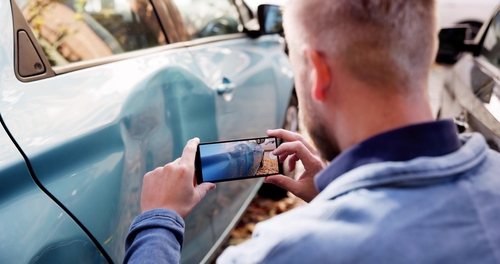
Your smartphone is one of the most powerful evidence-gathering tools available. Photograph all vehicles from multiple angles, capturing damage, license plates, and final positions. Document traffic signals, road signs, lane markings, weather conditions, and any visible injuries. Under NM Statute § 66-7-201(A), every stop must be made without unnecessarily obstructing traffic, so be mindful of your positioning while taking photos.
Witness Information
Eyewitness testimony can corroborate your account of how the crash occurred. If bystanders saw the collision, politely ask for their names and phone numbers. Witness statements gathered at the scene are more reliable than recollections made weeks or months later.
The Other Driver’s Information
New Mexico law requires drivers involved in an accident to exchange identifying information. Under NM Statute § 66-7-203, drivers involved in an accident resulting in injury, death, or vehicle damage must provide their name, address, and vehicle registration number, and must exhibit their driver’s license upon request. The statute also requires drivers to render reasonable assistance to any injured person. Write down or photograph the other driver’s license, insurance card, and license plate. This information forms the foundation of any Albuquerque car accident claim you may file.
💡 Pro Tip: Use your phone to photograph the other driver’s insurance card and license rather than writing details by hand. This reduces errors and creates a timestamped digital record.
Why the Police Report Matters for Your Auto Accident Proof in New Mexico
A certified copy of the police officer’s accident report is one of the most valuable pieces of evidence in a car crash case. Under Section 66-7-213 NMSA 1978, a certified copy of the investigating officer’s accident report may be introduced into evidence in any arbitration or civil action involving uninsured motorist coverage. That certified copy serves as prima facie evidence of whether the other driver was insured, which can be critical if you need to pursue an uninsured motorist claim.
Police departments and investigating agencies are required to furnish certified accident reports to parties involved in arbitration or civil actions upon request. If you were not given a copy at the scene, request one from the responding agency. The report generally includes the officer’s observations, a collision diagram, driver and witness statements, and any citations issued. This official documentation can be difficult for the opposing side to challenge.
💡 Pro Tip: Request your certified copy of the police report as soon as possible. Having it before you speak with any insurance adjuster gives you a clearer picture of how the collision was documented and helps prevent statements that conflict with the official record.
Medical Records and Ongoing Documentation
Your medical records create a direct link between the crash and your injuries, which is essential to proving compensable damages. Seek medical attention promptly, follow your treatment plan, and keep copies of every bill, receipt, and diagnostic report. Gaps in treatment can be used by insurance companies to argue that your injuries were not serious or were caused by something other than the collision.
What Medical Documentation to Preserve
- Emergency room records and discharge instructions
- Imaging results such as X-rays, MRIs, and CT scans
- Physical therapy notes and progress reports
- Prescriptions and pharmacy receipts
- Records of lost wages from your employer
If you are unsure what to do after a car accident or how to organize your medical records, consulting with an attorney early can help you avoid common mistakes.
Understanding New Mexico Insurance Requirements and Your Claim
New Mexico requires all drivers to carry minimum auto insurance liability coverage, and knowing these minimums helps you understand the potential limits of the at-fault driver’s policy. According to the New Mexico MVD, the mandatory minimums are:
| Coverage Type | Minimum Amount |
|---|---|
| Bodily injury or death (one person) | $25,000 |
| Bodily injury or death (two or more persons) | $50,000 |
| Property damage (per accident) | $10,000 |
These 25/50/10 minimums may not fully cover serious injuries, which is why documenting every element of your damages is critical. If the at-fault driver carries only the minimum policy, your claim could exceed available coverage. In that situation, your own uninsured or underinsured motorist coverage may come into play. Acceptable forms of proof of insurance include a current auto insurance card, a copy of the current policy, or a letter from the insurer verifying coverage.
💡 Pro Tip: Review your own auto insurance policy before you need it. Understanding whether you carry uninsured/underinsured motorist coverage can save valuable time and stress if the other driver’s policy falls short.
How an Auto Accident Lawyer in Albuquerque Can Help Preserve Your Claim
An experienced auto accident lawyer in Albuquerque can step in to investigate the crash, preserve critical evidence, and handle communications with insurance adjusters on your behalf. Evidence can degrade or disappear quickly. Surveillance footage from nearby businesses may be overwritten, vehicle damage may be repaired, and witnesses may become harder to locate. An attorney can send preservation letters, coordinate with accident reconstruction professionals, obtain the certified police report, and build a comprehensive file supporting your claim for medical expenses, lost wages, vehicle damage, and pain and suffering.
Attempting to manage an insurance claim alone while recovering from injuries puts you at a disadvantage. Insurance adjusters are trained to minimize payouts, and early recorded statements can be used against you. Having legal counsel from the start helps level the playing field. If you need an auto accident attorney in New Mexico, acting sooner rather than later generally produces better outcomes.
Frequently Asked Questions
1. What is the most important piece of evidence after a car crash in Albuquerque?
The certified police report is generally considered one of the most critical documents. Under Section 66-7-213, the certified copy of the investigating officer’s report is prima facie evidence of whether the other driver was insured. Combined with photographs, medical records, and witness statements, it forms the backbone of most car accident claims.
2. Am I legally required to exchange information with the other driver?
Yes. Under NM Statute § 66-7-203, drivers involved in an accident resulting in injury, death, or vehicle damage must provide their name, address, and vehicle registration number, and must exhibit their driver’s license upon request. Failing to stop or comply where the accident results in great bodily harm or death is a fourth degree felony under § 66-7-201(B), or a third degree felony if done knowingly under § 66-7-201(C).
3. What if the other driver does not have insurance?
You may still recover compensation through your own uninsured motorist coverage. The certified police report serves as prima facie evidence of the other driver’s insurance status under Section 66-7-213. An attorney can help you navigate an uninsured motorist claim and pursue all available sources of recovery.
4. How long do I have to collect evidence after a crash?
You should begin collecting evidence immediately, but some documentation remains available for weeks or months. Scene evidence such as skid marks and debris disappears quickly, while medical records and the police report can be obtained later. Acting promptly ensures nothing is lost.
5. Can I get a copy of the police report if I was not given one at the scene?
Yes. Under Section 66-7-213, the police department must furnish a certified copy of the accident report to either party to an arbitration or civil action upon request. Contact the responding agency directly to obtain your copy.
Take Action Now to Protect Your Recovery
The evidence you gather after a car crash in Albuquerque directly shapes the strength of your claim and the compensation you may recover. From scene photographs and witness information to the certified police report and medical records, each piece of documentation plays a role in establishing fault, proving damages, and countering insurance company tactics. New Mexico law imposes clear duties on drivers at the scene, and understanding those obligations helps you protect both your legal standing and your right to fair compensation.
If you or a loved one was injured in an Albuquerque car accident, Smith & Marjanovic Law is ready to review your case and fight for the recovery you deserve. Call (505) 510-4440 or contact us now to schedule a consultation.