
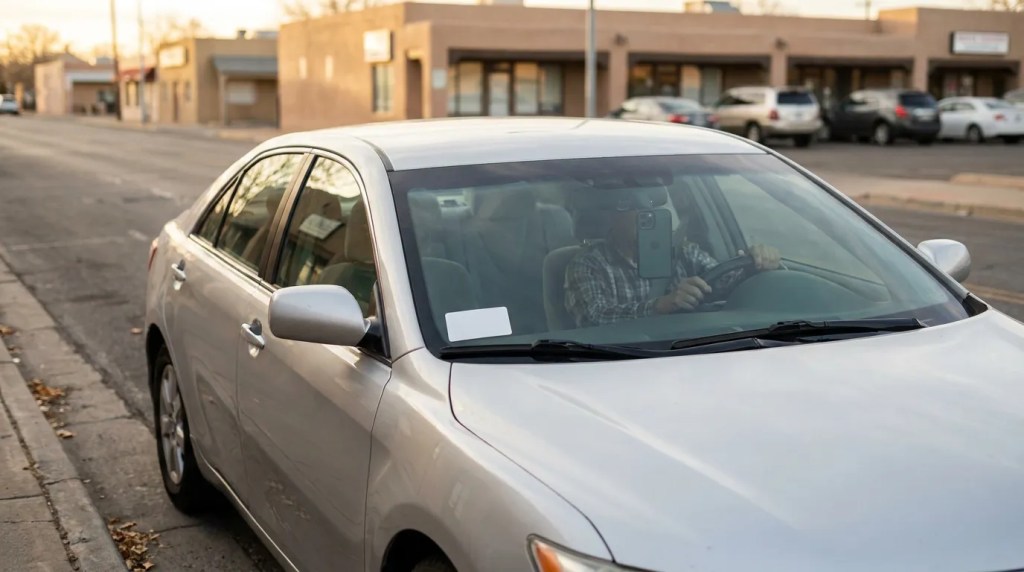
Your Rights as an Injured Uber Passenger in New Mexico
Key Takeaways: New Mexico’s Transportation Network Company Services Act generally requires at least $1,000,000 in primary liability coverage from the moment a driver accepts a ride until every passenger has left the vehicle. If the driver’s own insurance has lapsed or falls short of the required minimums, the company’s insurance must provide the required coverage starting with the first dollar. The Act also requires uninsured/underinsured motorist coverage to the extent state law calls for it. In a claims investigation, Uber and the driver’s insurer must disclose when the driver logged on and off the app in the 12 hours before and after a crash, which may help show whether the $1 million tier applies. Passengers generally still have to prove negligence against the at-fault driver or drivers. Getting medical care quickly, keeping evidence, and being careful with recorded statements may help protect your compensation. Most personal injury lawsuits generally must be filed within three years. Claims against a government entity generally require written notice within 90 days and usually have a shorter, two-year filing deadline.
If you were hurt while riding in an Uber in New Mexico, state law generally requires a large insurance policy to stand behind your claim. The New Mexico Transportation Network Company Services Act, NMSA 1978, §§ 65-7-1 through 65-7-22, sets minimum insurance amounts for rideshare drivers and companies. It also lets personal auto insurers exclude rideshare activity, makes sure other coverage fills that gap, and requires disclosures that may help show which coverage applies. For an Albuquerque Uber passenger dealing with medical bills, missed work, and pain, these rules can decide whether a claim gets paid or stalls. How much you may recover still depends on the facts, on proving fault, and on acting before legal deadlines run out.
You don’t have to sort out rideshare insurance alone while you heal. Talk with an Uber accident claims lawyer at Smith & Marjanovic Law about where you stand. Call (505) 510-4440 or contact us now for a free consultation.
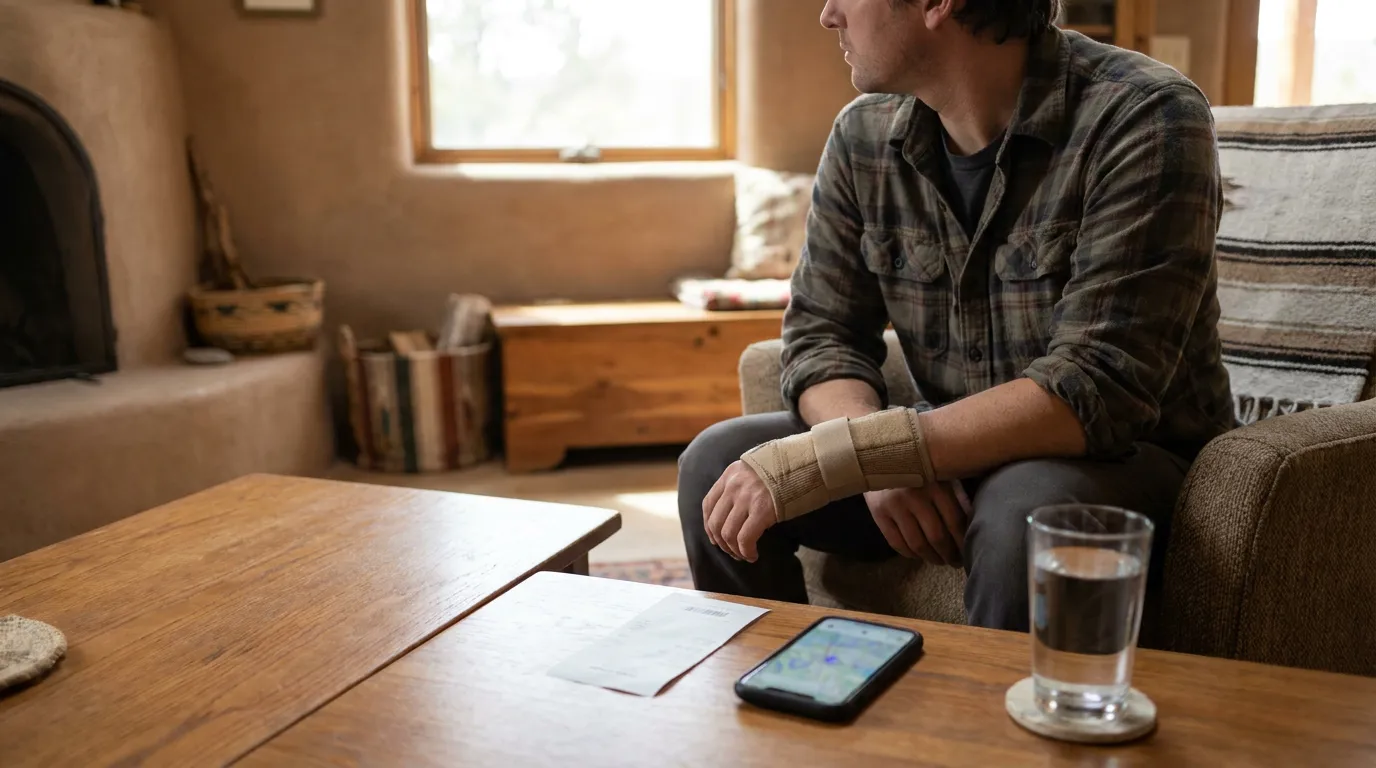
How Rideshare Safety Shapes the Need for Strong Protections
Research on rideshare safety is mixed, which helps explain why passenger protections matter. A Cato Institute research brief discusses findings that link Uber’s arrival in a market to fewer drunk-driving fatal crashes. The research also suggests that total traffic deaths do not always drop after ride-sharing arrives, and results differ across studies and regions.
Ride-hailing’s safety effects can vary a lot from city to city. Local traffic patterns, regulation, and transit options may all affect crash and injury rates. That is one reason New Mexico’s own rules matter so much to someone hurt as a rideshare passenger in Albuquerque.
Understanding New Mexico Rideshare Insurance Law
New Mexico ties required insurance amounts to what the driver was doing when the crash happened. NMSA 1978, § 65-7-8 sets up coverage tiers, and the tier that applies often determines how much money may be available.
When Does a "Prearranged Ride" Begin and End?
Under NMSA 1978, § 65-7-2, a prearranged ride starts when the driver accepts a ride request through the app. It continues while the driver carries the rider and ends when every passenger has left the vehicle. So if you were hurt while getting out of the car, you were generally still within the ride period.
Coverage Tiers at a Glance
This table sums up the minimum coverage required under NMSA 1978, § 65-7-8.
| Driver Status | Minimum Liability Coverage | Additional Coverage |
|---|---|---|
| Logged in, waiting for a request | $50,000 per person / $100,000 per incident (death and bodily injury); $25,000 property damage | UM/UIM as required by NMSA 1978, § 66-5-301 |
| Accepted ride through drop-off | $1,000,000 primary for death, bodily injury, and property damage | UM/UIM as required by NMSA 1978, § 66-5-301 |
For an injured Uber passenger, the $1,000,000 tier in NMSA 1978, § 65-7-8(C) is usually the main source of payment. The lower tier in § 65-7-8(B) generally matters most to people hit by a driver who was logged in but waiting for a ride request.
How This Compares to Ordinary Auto Insurance
The rideshare minimums are far higher than the liability limits most drivers must carry. You can compare state minimum auto insurance limits, including New Mexico’s, to see the difference. The $1 million policy is a minimum, not a promise of what you will recover.
Why Primary and Backup Coverage Protect Passengers
NMSA 1978, § 65-7-8 requires rideshare coverage to be primary, meaning it generally pays before other policies. The coverage can come from the driver, the company, or both. Under § 65-7-8(D), if the driver’s own insurance has lapsed or falls short of the required minimums, the company’s insurance must provide the required coverage starting with the first dollar of a claim. This keeps a passenger from being left without coverage just because the driver’s personal policy fails.
This backup matters because personal auto insurers in New Mexico may exclude rideshare activity. Under NMSA 1978, § 65-7-10(A), a personal policy may exclude coverage, including the duty to defend and indemnify, for losses that happen while the driver is logged into the app or giving a prearranged ride.
The insurance must also come from a legitimate source. NMSA 1978, § 65-7-8 requires that it come from an insurer authorized to do business in New Mexico or from an eligible surplus lines insurer. Coverage that meets these standards also satisfies New Mexico’s Mandatory Financial Responsibility Act.
Building Strong Uber Accident Claims in New Mexico
Having insurance in place does not mean a claim will be paid automatically. Strong Uber accident claims generally still have to prove the elements of negligence:
- Duty: The driver, or another motorist, owed you a duty of reasonable care.
- Breach: That person failed to meet the duty, for example by speeding or driving distracted.
- Causation: The breach caused your injuries.
- Damages: You suffered losses such as medical expenses, lost income, and pain and suffering.
Who Can Be Held Responsible?
Who may be responsible depends on who caused the crash. It could be your Uber driver, another driver, or both. Under New Mexico’s pure comparative fault rules, each at-fault party generally pays for its own share of the fault. New Mexico’s Transportation Network Company Services Act does not explicitly classify rideshare drivers as independent contractors. The Act is largely silent on driver employment classification, though § 65-7-2 states that a transportation network company is not deemed to control, direct, or manage a driver’s vehicle except where agreed to by written contract. That may make a direct claim against Uber harder, depending on the facts. Even so, the insurance requirements in § 65-7-8 still apply.
Using Disclosure Rules to Prove the Right Coverage Tier
NMSA 1978, § 65-7-10 requires disclosures that can be very important during a claims investigation. Uber and the driver’s insurer must share information with each other and with others directly involved in the claim, including the exact times the driver logged on and off the app during the 12 hours before and after the crash. They must also disclose the coverage, exclusions, and policy limits that apply. These records may help show whether the $1 million tier applies.
💡 Pro Tip: Take screenshots of your trip receipt, the route map, and any in-app messages right after the crash. These timestamps can help confirm you were mid-ride.
Protecting Your Uber Passenger Compensation From Common Pitfalls
Injured passengers often run into problems that can reduce or delay compensation. Insurers may argue that the injuries are minor, that something other than the crash caused them, or that the driver wasn’t on an active trip. Soft-tissue injuries like whiplash may not show symptoms for a while, and insurers can use a gap in medical care to question causation.
Getting medical care promptly and keeping evidence may help make a claim stronger. Keep medical records, photos of the scene and your injuries, witness contact information, and the police report. Be careful about giving recorded statements to an insurer before you understand your rights.
💡 Pro Tip: Keep a simple daily journal of your pain levels, missed activities, and missed work. Notes written at the time can help show non-economic damages.
Deadlines That Can Affect Your Claim
In New Mexico, most personal injury lawsuits generally must be filed within three years of the injury under NMSA 1978, § 37-1-8. In limited situations, such as when the injured person is a minor, tolling rules may extend that deadline.
Claims involving a government entity follow different rules. If a public vehicle or a road defect played a part, the New Mexico Tort Claims Act, NMSA 1978, § 41-4-16, generally requires written notice within 90 days, with limited exceptions. Under § 41-4-15, you generally must also file a lawsuit within two years, not three. Missing either deadline could bar your recovery.
Frequently Asked Questions
1. How much insurance covers me as an Uber passenger in New Mexico?
From the moment the driver accepts your ride until you leave the vehicle, NMSA 1978, § 65-7-8(C) generally requires at least $1,000,000 in primary liability coverage, plus uninsured and underinsured motorist coverage to the extent NMSA 1978, § 66-5-301 calls for it.
2. What if my Uber driver’s personal insurance denies the claim?
Personal insurers may exclude rideshare activity under NMSA 1978, § 65-7-10(A). But if the driver’s coverage has lapsed or falls short of the required minimums, § 65-7-8(D) requires the company’s insurance to provide the required coverage starting with the first dollar.
3. Am I covered if I was hurt while getting out of the car?
Generally, yes, depending on the facts. Under NMSA 1978, § 65-7-2, the ride lasts until every passenger has left the vehicle.
4. Can I sue Uber directly?
That depends on the facts. The Act does not explicitly classify drivers as independent contractors, though it states that a transportation network company is not deemed to control a driver’s vehicle except where agreed to by written contract, so claims usually focus on the required insurance coverage and on the at-fault drivers.
5. How long do I have to file a lawsuit?
Most New Mexico personal injury lawsuits generally must be filed within three years under NMSA 1978, § 37-1-8. Claims against government entities generally require written notice within 90 days and must usually be filed within two years.
Moving Forward After a Rideshare Passenger Injury
New Mexico law gives Uber passengers real protection through tiered insurance requirements, primary coverage rules, company backup coverage, and required disclosures. These protections generally work best when you have evidence of fault, documented damages, and a claim filed on time.
When you’re ready to look at your options, Smith & Marjanovic Law can help. You can read more practical guidance about Uber passenger injury claims, call (505) 510-4440, or schedule your free consultation today.
Disclaimer: This content is for informational purposes only and is not legal advice. Every case is unique, and results may vary. Consult an attorney about your specific circumstances.